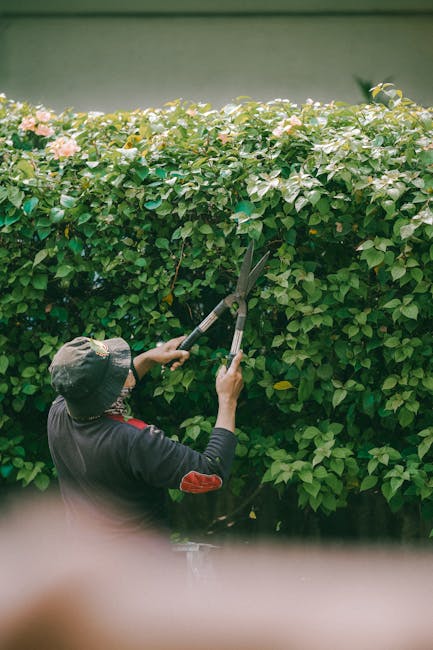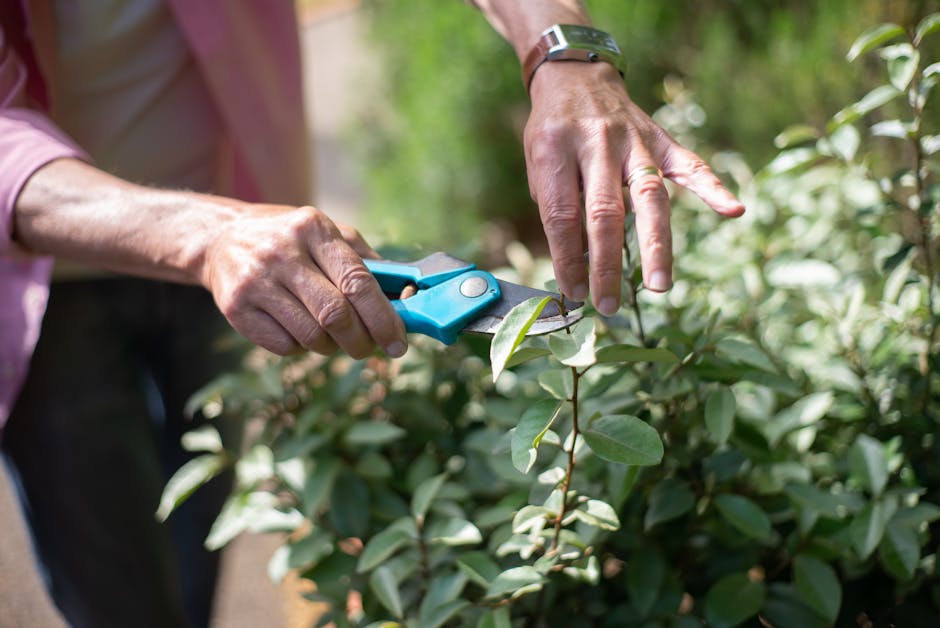
Ealing Road garden maintenance and pruning specialists: a practical guide to healthier, better-kept gardens
If your garden has reached that familiar point where the hedges are a bit too proud, the borders look tired, and the pruning backlog has quietly become a small jungle, you are not alone. Ealing Road garden maintenance and pruning specialists deal with exactly this kind of problem every day: bringing order back to outdoor spaces, keeping plants healthy, and making sure everything is cut at the right time, in the right way. It sounds simple, but good maintenance is a craft. Done well, it protects your planting, saves time, and makes the whole place feel calmer the moment you step outside.
This guide explains what specialist garden maintenance and pruning actually involves, how the work is usually carried out, who benefits most, and what to look for when you want reliable results. If you are comparing options or trying to work out what your garden really needs, you will find the practical bits here without the fluff. Truth be told, a lot of gardening problems start small and look harmless. Then one wet winter later, everything feels like hard work.
Why Ealing Road garden maintenance and pruning specialists Matters
Garden maintenance is more than a tidy-up. Pruning, especially, affects how a plant grows, flowers, fruits, and recovers through the seasons. A hedge that is trimmed too hard at the wrong time may turn patchy. A shrub cut carelessly can lose its shape for months. A tree that is ignored for years can become dense, unbalanced, or awkward near paths, fences, and neighbouring properties.
That is why specialist care matters. The difference is not just that the garden looks better on the day. It is that the work supports long-term plant health and helps prevent avoidable problems later. In busy parts of London, gardens also need to stay manageable in limited space. You often do not have the luxury of letting things run wild for a season or two and sorting it out later. By then, the job is bigger, more expensive, and a bit of a headache.
There is also a practical side. Overgrown vegetation can block light, make access awkward, and encourage damp, pests, or general neglect. For rental homes, commercial premises, and shared outdoor areas, regular maintenance helps preserve presentation and reduces complaints. For private gardens, it simply makes the space more enjoyable. You notice it the first morning you open the back door and everything feels lighter.
Expert takeaway: good pruning is not about removing as much as possible. It is about removing the right growth at the right time so the plant stays healthy, balanced, and predictable.
How Ealing Road garden maintenance and pruning specialists Works
Most professional garden maintenance starts with assessment. A specialist will usually look at the current condition of the garden, identify plant types, check for seasonal growth patterns, and decide what should be maintained now versus left until the right time. That sounds basic, but it matters. Not every plant wants the same treatment, and not every hedge, shrub, or tree responds the same way.
From there, the work is typically broken into a maintenance plan. That may include lawn care, border tidying, weed control, leaf clearance, hedge cutting, deadheading, selective pruning, and disposal of green waste. In some gardens, there may also be pressure washing of hard surfaces, edging, or minor tidy-up tasks around fences and paths. The best specialists tend to work methodically rather than randomly. Less drama, better result.
Pruning is the more technical part. It can involve:
- removing dead, damaged, or diseased branches
- thinning crowded growth to improve airflow and light
- shape maintenance for hedges and ornamental shrubs
- reducing size where a plant has outgrown its space
- training growth in a more balanced direction
The timing depends on the species and the purpose. Spring-flowering shrubs often need different treatment from summer-flowering ones. Some plants tolerate regular trimming; others need a gentler hand. A good specialist knows the difference and will say when a cut should wait. That caution is a good sign, not a delay.
On a typical visit, you might see a mix of hands-on work and judgement. One moment someone is cutting back soft growth; the next they are stepping back, checking shape from a distance, and deciding whether another cut would improve the line or spoil it. It is a bit like editing a piece of writing, actually. Remove enough to make it better. Stop before you ruin the rhythm.
Key Benefits and Practical Advantages
There are several real-world reasons people turn to professional garden maintenance and pruning services rather than trying to keep up alone.
Healthier plants
Correct pruning supports airflow, reduces the chance of crowded growth, and helps plants direct energy more efficiently. When a plant is healthy, it usually looks better without forcing it. That is the quiet win people often want but do not always notice at first.
Safer outdoor spaces
Broken branches, overhanging growth, and obstructed paths can create avoidable hazards. Regular maintenance helps keep walkways clear and reduces the chance of branches brushing windows, gutters, or access routes. For families, older residents, and properties with frequent visitors, this is not a minor detail.
Better presentation
A neat garden changes how a property feels. Front gardens especially benefit because they shape first impressions. But rear gardens matter too. A clean line, a controlled hedge, and a border that is not swallowing itself can make a space feel bigger and more usable.
Less work for you later
Regular upkeep is usually easier and cheaper in the long run than allowing a full seasonal reset every time. If you keep on top of the small jobs, the bigger jobs stop becoming emergencies. Simple, but true.
More suitable planting structure
Some gardens simply need better structure. A specialist can help control dominant plants, open up light for weaker ones, and create a more balanced feel across the whole space. That often makes the garden look thoughtfully designed even if it was not originally laid out that way.
| Task | What it does | Why it matters |
|---|---|---|
| Hedge trimming | Shapes and contains boundary growth | Keeps boundaries tidy and prevents encroachment |
| Selective pruning | Removes chosen branches or stems | Supports plant health and structure |
| Border maintenance | Removes weeds, dead material, and clutter | Improves appearance and growing conditions |
| Seasonal tidy-up | Clears leaves, debris, and spent growth | Helps gardens transition cleanly between seasons |
| Green waste removal | Clears cuttings and debris from site | Keeps the job tidy and ready to enjoy |
Who This Is For and When It Makes Sense
These services suit a surprisingly broad range of people. You might think it is only for homes with large gardens, but that is not really the case. Smaller urban gardens often need specialist attention just as much, sometimes more. Restricted space means one overgrown shrub can have a bigger visual and practical impact than you expect.
It makes sense if you are:
- struggling to keep up with seasonal maintenance
- dealing with hedges or shrubs that have become too large
- preparing a property for sale or rent
- managing a shared or communal outdoor area
- wanting better plant shape and healthier growth
- trying to avoid garden work that now feels physically difficult
It also makes sense after a period of neglect. Maybe you have been away, maybe the weather has been unhelpful, or maybe life just got in the way. Happens to the best of us. A good specialist can reset the garden without making it feel like a harsh, overcut landscape.
If you are uncertain whether a plant needs pruning now, the safest approach is usually to ask for an assessment rather than make a guess. Some plants are forgiving. Others are not. It is one of those areas where the wrong confident answer can cost you a season of flowers.
Step-by-Step Guidance
If you want to understand how a sensible maintenance visit usually unfolds, here is the basic flow. Different gardens need different levels of input, of course, but the core process is similar.
- Start with a proper assessment. Identify what is growing, what is overgrown, and what should be left alone for now. This first look often reveals more than the owner expects.
- Set the priorities. Safety issues, access problems, and heavily overgrown areas usually come first. Decorative shaping comes after that.
- Check seasonal timing. Flowering shrubs, hedges, climbers, and trees all have their own preferred pruning windows. A rushed cut can reduce blooms or stress the plant.
- Work in stages. Good pruning tends to happen gradually, with checks along the way. Step back often. If the light suddenly changes and the plant looks harsh, you may have gone a little too far.
- Remove debris as you go. Keeping the site tidy makes it easier to see what still needs attention and avoids a bigger mess later.
- Finish with a balanced tidy-up. Borders, edges, paths, and visible surfaces are usually neatened so the whole garden feels coherent, not patchworked.
- Review and plan the next visit. Gardens are seasonal. A sensible maintenance schedule reduces surprises and keeps growth under control.
One useful habit is to photograph problem areas before work begins. Not because anyone needs a glossy before-and-after for drama, but because it helps you judge what has actually improved and what still needs attention next time.
Expert Tips for Better Results
Experience helps here, and a few small habits make a big difference.
Prune for the plant, not just the view. It is tempting to chase neatness alone, but a plant that has been cut to fit a visual idea may suffer later. Always ask what the plant is trying to do naturally.
Keep an eye on structure. Healthy pruning often starts with removing crossing, inward-growing, or damaged material. This creates space without stripping the plant bare.
Respect the season. Late winter, early spring, summer, and autumn each bring different tasks. A seasoned gardener will know that a hedge trim in the wrong month can alter next year's growth. Sometimes patience is the job.
Do not overdo it after neglect. If a plant has become extremely overgrown, it may need staged reduction rather than one severe cut. A gradual approach can be kinder and more successful.
Watch the soil and base area too. It is easy to focus on the top growth and ignore the ground around it. But weeds, compacted mulch, and debris around the base can quietly undermine the finish.
Use a maintenance rhythm. Light, regular visits usually work better than rare big interventions. In many gardens, a little and often is the real secret. Not glamorous, but very effective.
And yes, there is always that one branch that refuses to grow in a sensible direction. Nature can be a bit stubborn.
Common Mistakes to Avoid
Most bad outcomes in garden pruning come from a handful of common mistakes. Once you know them, they are much easier to avoid.
- Cutting at the wrong time. This can reduce flowering, expose tender growth, or encourage awkward regrowth.
- Removing too much at once. Heavy-handed pruning can shock a plant and leave bare patches that take ages to recover.
- Using blunt or dirty tools. Poor tools can tear stems rather than cut cleanly, and that is not ideal for plant recovery.
- Ignoring plant type. A conifer, rose, hedge, and ornamental shrub do not all want the same treatment. They really don't.
- Forgetting aftercare. Once pruning is done, the garden may still need watering, feeding, or mulching depending on conditions.
- Leaving debris behind. Cuttings left in borders can smother smaller plants and make the garden look unfinished.
Another subtle mistake is chasing symmetry too aggressively. A perfectly mirrored shape is not always the healthiest or most attractive finish. Slight natural variation often looks better, and more honest. Too perfect can look odd, actually.
Tools, Resources and Recommendations
A professional result usually depends on using the right tools for the job. That does not mean every job needs heavy machinery. In many gardens, careful hand tools are better because they allow more control and less damage.
Common tools and materials include:
- secateurs for clean cuts on smaller stems
- loppers for thicker branches that need extra leverage
- hedge trimmers for larger hedge surfaces
- saws for woody material that cannot be removed cleanly with hand cutters
- gloves and protective equipment for safety and grip
- mulch or compost to help improve soil condition after clearance
- green waste sacks, bins, or removal systems for clean site management
For most homeowners, the most useful resource is not a gadget. It is a simple seasonal maintenance plan. Write down what needs doing in each quarter of the year, then mark which plants need specialist pruning and which only need a light tidy. Even a rough note in your phone can prevent the usual "I meant to do that last month" cycle.
If you are choosing between doing it yourself and calling in a specialist, consider the plant value, the height of the work, the time involved, and your confidence with pruning cuts. Some tasks are quite straightforward. Others are best left to someone with a steadier hand and a better eye.
Law, Compliance, Standards, or Best Practice
Garden maintenance is not heavily regulated in the way some trades are, but there are still important duties and standards of care to keep in mind. In the UK, work near boundaries, shared access routes, roads, paths, and neighbouring property should be handled carefully. If branches overhang next door or affect shared spaces, communication matters as much as the cut itself.
Best practice also includes sensible waste handling, safe tool use, and protecting people and property while work is being carried out. If a job involves ladders, larger trees, or awkward access, it is sensible to make sure the person doing the work has the right experience and safety approach. No one needs a dramatic garden story involving a wobbling ladder and a hedge trimmer. Let's avoid that one.
Where trees are involved, extra caution is wise. Some trees may be subject to local controls or preservation considerations, and in some situations additional permission may be needed before major work. Because local rules can vary, the safe course is to check before taking significant action on mature trees or anything that seems unusual.
For homeowners and landlords alike, the broader standard is simple: keep the site safe, keep the work proportionate, and do not remove more than is necessary. That is good practice in any season.
Options, Methods, or Comparison Table
Not every garden needs the same type of care. Some spaces benefit from light, regular maintenance. Others need a more restorative approach first, then ongoing visits. Here is a straightforward comparison to help you think it through.
| Approach | Best for | Advantages | Trade-offs |
|---|---|---|---|
| Light regular maintenance | Gardens already in manageable condition | Consistent appearance, lower stress on plants, predictable upkeep | Less dramatic transformation on each visit |
| Seasonal tidy-up | Gardens that only need periodic attention | Good for spring or autumn resets, clears visible clutter | Problems can build between visits |
| Restorative pruning | Overgrown shrubs, hedges, and neglected borders | Creates space, restores shape, improves access | May need follow-up visits and patience |
| Mixed maintenance plan | Most domestic and rental gardens | Balances upkeep with longer-term health | Requires some planning and consistency |
The mixed approach is often the smartest choice. A garden can look tidy without being overmanaged, and that balance is usually what people actually want. Not a show garden, just a good garden. One you can live with happily.
Case Study or Real-World Example
Consider a typical small London back garden with a mature hedge, two shrubs near the fence, a patchy lawn, and borders that have drifted into each other. The owner has been meaning to sort it for months, but every weekend something else gets in the way. By the time the work starts, the hedge is leaning over the path a little, the shrubs are blocking light, and the borders have lost their shape.
A sensible maintenance visit begins with clearing access and removing obvious dead or damaged growth. Then the hedge is brought back into line without cutting it brutally flat. The shrubs are thinned just enough to let air and light through, and the borders are weeded and defined so the planting can breathe. Grass edging is sharpened. Cuttings are removed. The space suddenly feels larger, even though no wall was moved and no miracle happened. Just good work, done carefully.
What changed most was not only the appearance. The garden became usable again. The owner could walk through it without ducking, the light improved along the back fence, and the plants were left in a condition that made sense for the next season. That is the real value of specialist maintenance: it gives the garden a future, not just a finish.
Practical Checklist
Use this quick checklist before arranging work or tackling a garden yourself:
- Identify which plants need pruning and which only need light maintenance
- Check whether any shrubs or trees are flowering soon
- Look for dead, damaged, or crossing branches
- Confirm whether access is clear for ladders or equipment
- Decide what needs to be removed from site as green waste
- Note any overhanging growth near boundaries, paths, or windows
- Plan for aftercare such as watering, mulching, or feeding if needed
- Choose a maintenance rhythm rather than waiting until everything is overgrown
Quick reality check: if the job feels bigger each time you look at it, that is usually the sign to bring in a specialist rather than keep postponing it. A fresh start is often easier than a heroic Saturday that turns into a sore back and half-finished hedge.
Conclusion
Ealing Road garden maintenance and pruning specialists provide far more than a cosmetic tidy. They help gardens stay healthy, manageable, safer to use, and better looking through the seasons. The right approach depends on plant type, timing, access, and how much work the garden has been allowed to accumulate. That is why a careful, knowledgeable method matters more than a quick cut.
If your garden has started asking for more attention than you can realistically give it, or if a few shrubs and hedges have become a bigger job than expected, getting professional help can make the whole space feel more like part of the home again. And honestly, that bit of breathing room outside can change the mood indoors too.
Get a free quote today and see how much you can save.
Frequently Asked Questions
What do Ealing Road garden maintenance and pruning specialists actually do?
They handle routine upkeep and more technical pruning work, including hedge cutting, shrub shaping, deadwood removal, border tidying, weed control, and seasonal garden clean-ups. The exact service depends on the garden's condition and the plants involved.
How often should garden maintenance be done?
That depends on growth rate, garden size, and season, but many gardens benefit from light regular visits rather than one big reset. Fast-growing hedges and busy front gardens usually need attention more often than small, low-maintenance spaces.
When is the best time to prune shrubs?
It depends on the species. Some shrubs are best pruned after flowering, while others respond better in late winter or early spring. A specialist will usually identify the plant before deciding on timing, because one-size-fits-all pruning is rarely a good idea.
Can pruning damage a plant?
Yes, if it is done at the wrong time or cut too severely. Over-pruning, blunt tools, or removing the wrong stems can stress the plant and reduce flowering or growth. Careful pruning is usually more about restraint than force.
Is professional garden maintenance worth it for a small garden?
Often, yes. Small gardens can become cluttered quickly, and one neglected hedge or shrub can dominate the space. A specialist can make a small garden feel bigger, brighter, and easier to enjoy without overworking the planting.
What should I ask before booking a garden pruning service?
Ask what plants they will be pruning, how they decide on timing, whether green waste is removed, and whether they can advise on recurring maintenance. It also helps to ask what they recommend leaving alone, because that usually reveals good judgement.
Do I need permission to cut back trees?
Sometimes caution is needed, especially with mature trees or trees that may be protected. Local rules can vary, so if the work involves significant tree pruning, it is sensible to check first rather than assume it is fine.
What is the difference between trimming and pruning?
Trimming usually refers to shaping, often on hedges or light growth. Pruning is more selective and technical, involving the removal of specific stems or branches for health, structure, or size control. Both matter, but they are not quite the same.
How do I know if my garden has been overpruned?
Signs can include bare stems, flattened shapes, loss of flowering, or a harsh look that does not recover quickly. If you can see far more cut surface than natural growth, the plant may have been reduced too heavily.
Can maintenance help with neglected gardens?
Absolutely. A neglected garden can usually be brought back in stages, starting with access, safety, and the most overgrown areas. The key is to restore structure without stripping everything bare in one go.
What happens to the waste after pruning and clearing?
That depends on the service agreed. In many cases, cuttings are collected and removed as green waste, leaving the garden tidy. It is worth confirming this in advance so you know whether disposal is included.
What if I only need advice, not full maintenance?
That can still be useful. A good specialist can often suggest what should be cut now, what should wait, and what maintenance schedule makes sense. Sometimes a short assessment is enough to stop a lot of trial and error.
How do I choose the right specialist for my garden?
Look for clear explanations, sensible timing advice, and a calm approach to plant health rather than a rush to cut everything back. The best choice is usually the one that sounds careful, practical, and honest about what your garden actually needs.
If you want a garden that feels orderly without losing its life and character, that is the balance to aim for. Steady care, smart pruning, and a bit of patience go a long way.