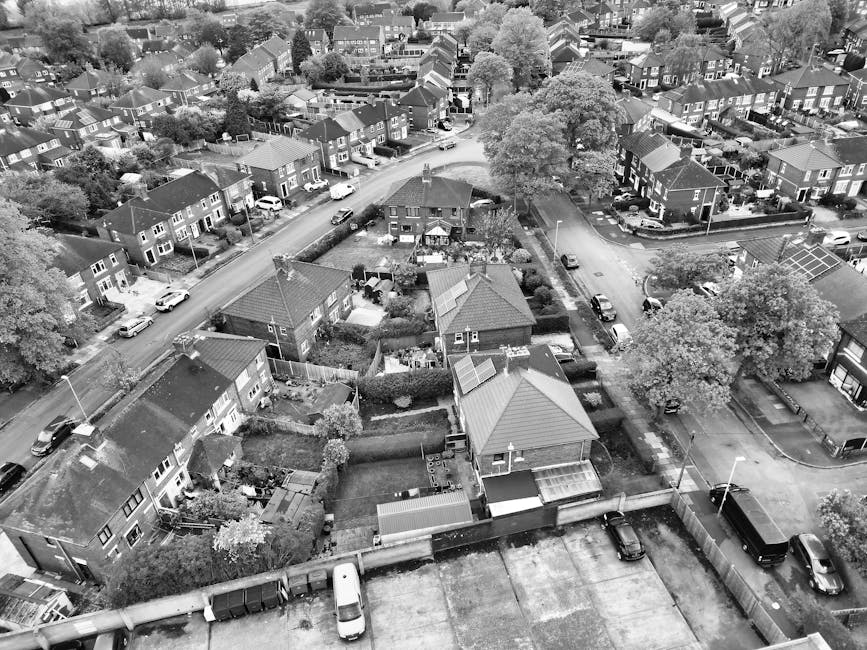
Brent Council garden waste rules explained for Alperton
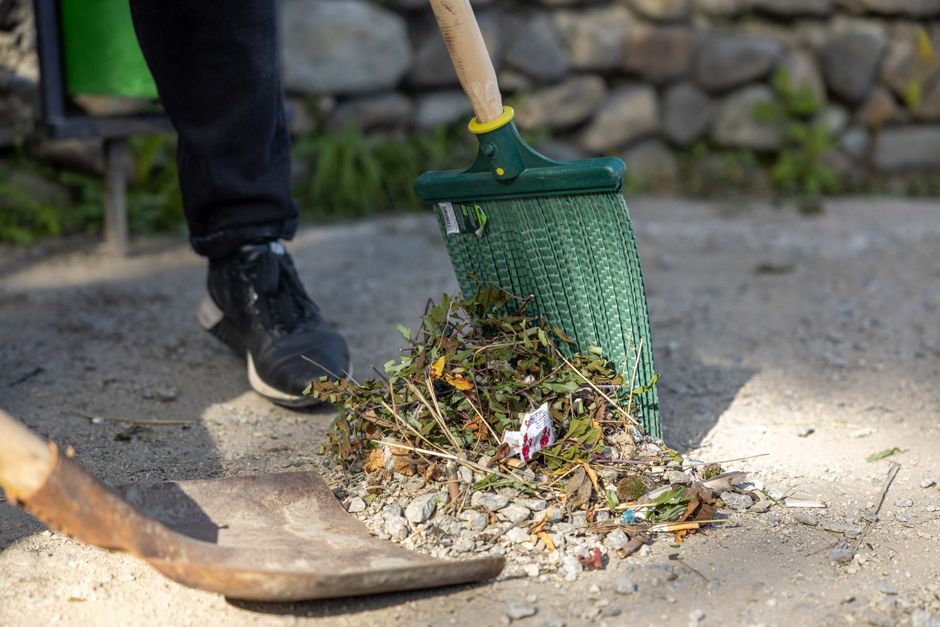
If you garden in Alperton, garden waste can pile up faster than you expect. One weekend you trim the hedge, cut the grass, clear a few weeds, and suddenly there's a small mountain of green waste by the back gate. That is where Brent Council garden waste rules explained for Alperton becomes genuinely useful: it helps you avoid missed collections, extra hassle, and the classic "what do I do with this bag now?" moment.
This guide breaks everything down in plain English. You'll get the practical side of garden waste disposal, how council-style collections usually work, what homeowners and landlords need to watch out for, and where a professional garden service can help when the job is bigger than a tidy bin bag or two. To be fair, the rules themselves are rarely the hard part. The hard part is sorting your waste properly on a damp Tuesday evening after a long day, when the hedge clippings are everywhere and you just want it done.
We'll keep this local to Alperton, focus on real-world use, and cover the common mistakes people make with garden waste, from the wrong materials in the bin to leaving bags out at the wrong time. You'll also find a checklist, a comparison table, and a few sensible next steps if your garden needs more than a quick clear-up.
Why Brent Council garden waste rules explained for Alperton Matters
Garden waste rules matter because they affect three things at once: convenience, cleanliness, and compliance. In an area like Alperton, where many homes have modest gardens, shared access paths, side returns, or limited storage for bins, the way you handle grass cuttings, leaves, twigs, and hedge trimmings makes a real difference.
If you get it wrong, the result is usually not dramatic, but it is annoying. A bag left out too early can get soaked through. Mixed waste can be rejected. A pile of branches can block access or attract complaints from neighbours. And if you're arranging a clear-out before guests arrive, or before a tenancy changes over, delays are the last thing you need.
There's also the wider sustainability angle. Garden waste is one of the easier things to manage well because, in principle, it should be kept separate from general rubbish. When it is sorted properly, it is easier to handle, easier to recycle or compost, and far less likely to become a nuisance. That sounds obvious, but in practice people often mix in the wrong stuff: plant pots, soil-heavy rubble, bags, old compost sacks, or even the odd broken garden ornament. It happens.
For Alperton residents, understanding the rules also helps when choosing between a council collection approach and a professional garden service. Sometimes a routine bin collection is enough. Sometimes you need garden clearance support because the volume is too high, the material is too bulky, or the garden has been neglected for a while. Knowing the difference saves time and avoids guesswork.
How Brent Council garden waste rules explained for Alperton Works
At a practical level, garden waste handling in Brent follows the same basic logic as most London borough systems: keep green waste separate, present it correctly, and avoid contaminating it with non-garden materials. Exact collection arrangements can change, so the safest habit is to check current council guidance before putting anything out. That part matters. Rules do shift, and you do not want to rely on last year's memory.
In everyday terms, garden waste usually includes materials like grass cuttings, leaves, small branches, hedge trimmings, plant clippings, and weeds. The main idea is that the waste should be organic and reasonably clean. Soil, stones, plastic, metal, treated timber, and household rubbish do not belong in the same pile. If you're looking at something and thinking "that's a bit too mixed," it probably is.
Here is the simple workflow most households should follow:
- Separate green waste from general waste as you go.
- Remove anything non-organic, such as plastic ties, plant labels, or broken pots.
- Cut larger material down to a manageable size where needed.
- Use the correct container, bin, sack, or collection method accepted locally.
- Put it out at the right time and in the right place.
- Keep the load light enough to be handled safely.
That last point is often overlooked. A bag that feels fine in the garden can be awkward once it's wet, full of hedge cuttings, and lifted around a narrow side passage. A small practical note, but it saves a sore back.
If you're managing regular upkeep rather than a one-off tidy, garden maintenance can reduce how much waste builds up in the first place. Regular mowing, pruning, and seasonal tidying usually produce smaller, more manageable amounts of waste than a once-a-year blitz.
Key Benefits and Practical Advantages
Following the rules properly is not just about avoiding a rejection or complaint. There are a few real advantages that make life easier week after week.
- Cleaner outdoor space: Less garden debris sitting around means fewer slippery paths, fewer pests, and a tidier look overall.
- Better neighbour relations: Managed waste is less likely to smell, spill, or blow around in the wind.
- Smoother collections: If your waste is presented correctly, it is more likely to be taken without issue.
- Lower risk of contamination: Keeping rubbish out of green waste helps the system work properly.
- Less stress during bigger jobs: A spring clear-up or pre-sale tidy becomes much easier to manage.
- Safer handling: Sorting waste properly reduces sharp edges, heavy loads, and awkward lifting.
There's also a small but real mental benefit. A garden that is under control tends to feel calmer. You notice it when you step outside in the morning and the space just looks orderly. No piles. No half-finished bags. No mystery heap by the fence. It's a quiet thing, but it helps.
If you are planning a bigger outdoor refresh, services like lawn mowing, hedge trimming, or even tree lopping and removal can produce different kinds of waste, so it helps to understand how much material each task will create before you start.
Who This Is For and When It Makes Sense
This topic is for more people than you might think. It is not just for keen gardeners with immaculate borders and labelled tool sheds.
Homeowners need it when they are trimming hedges, clearing leaves, or doing a seasonal tidy-up. Landlords need it between tenancies, especially if the garden has been left a bit wild. Tenants need it when their tenancy agreement expects basic garden upkeep. Property managers need it for shared spaces or regular upkeep plans. And older residents or busy families often need a simpler, more practical approach because time and lifting capacity are both limited. Let's face it, not everyone wants to spend Sunday wrestling with damp branches.
It also makes sense if your garden has any of the following:
- fast-growing hedges that create regular clippings
- a lawn that sheds lots of cuttings in peak growing season
- mature shrubs or trees that need seasonal pruning
- a neglected patch that needs more than a quick sweep
- limited storage for bags and bins
- shared access where bins cannot be left out all week
If your garden waste starts edging into "more than a bin bag" territory, a professional service can be worth considering. In particular, a one-off garden clearance is often the sensible choice when you have brambles, overgrowth, and mixed debris all at once. It is not glamorous work, but it is very satisfying when done properly.
Step-by-Step Guidance
Here is a simple way to handle garden waste in Alperton without overcomplicating it.
- Inspect the waste first. Separate organic garden material from anything artificial or sharp.
- Sort by type. Grass, leaves, hedge trimmings, branches, and weeds can usually be grouped, but keep bulky and messy items apart if that makes handling easier.
- Remove contaminants. Pull out plant pots, ties, labels, old compost bags, stones, and general rubbish.
- Reduce bulk. Cut larger branches down, shake out excess soil, and avoid overfilling bags.
- Use the right container. Follow the local method for collection or disposal, and do not assume ordinary black bin treatment applies to garden waste.
- Store it safely until collection. Keep bags somewhere they won't split, blow away, or block paths.
- Put it out correctly. Timing and placement matter more than people think. Early or messy presentation can cause problems.
- Review what worked. If the system feels awkward every time, that is usually a sign you need a better routine or a professional helper.
One small trick: do the sorting as you prune, not after. Once the heap has formed, everything starts looking like "green stuff," and that's where the mistakes begin. At 7pm on a damp evening, all leaves look the same anyway.
If you are also changing the structure of the garden, perhaps adding new borders, paths, or timber features, it may help to plan the waste stage alongside the build stage. Services such as landscaping and landscape gardening often create mixed waste streams that are easier to manage when planned properly from the start.
Expert Tips for Better Results
A few practical habits make garden waste far easier to deal with.
- Keep waste dry where possible. Wet cuttings are heavier, smellier, and more likely to split bags.
- Prune in stages. Smaller sessions create smaller waste piles and less sorting later.
- Watch for hidden waste. Ivy, bindweed, and other tangled growth can trap litter and broken items.
- Separate woody and soft material. It helps if one load is mostly branches and another is mostly cut grass.
- Think about access. Narrow side paths, steep steps, or shared entrances can make bulky waste awkward.
- Choose the right help for the job. A weekly tidy and a full overgrown clearance are very different jobs, honestly.
Another useful tip is to combine collection planning with your wider garden schedule. For example, hedge work is often easiest before a larger clear-up, while mowing and light trimming can be grouped together to keep waste volumes lower. If you already use services overview pages to compare what is available, it can help you build a tidy routine rather than treating waste as an afterthought.
And if you care about responsible disposal, take a look at recycling and sustainability. Even a small household can make better choices with a bit of planning.
Common Mistakes to Avoid
Most garden waste problems come from a handful of predictable mistakes. The good news is they're easy to avoid once you know what to watch for.
- Mixing in non-garden waste. Plastic pots, kitchen scraps, rubble, and old wood are common culprits.
- Overfilling bags. Heavy, strained bags tear and are harder to move safely.
- Leaving waste out too long. It can get wet, scattered, or blocked by weather and foot traffic.
- Assuming all council rules are identical. London borough practices vary, so local confirmation is always safer.
- Ignoring bulky or woody material. Big branches need a plan, not just a bigger bag.
- Forgetting access issues. A waste pile can become a nuisance very quickly if it sits across shared space.
One mistake people do not always notice is treating all "green" material as identical. A few soil-heavy roots are not the same as a bag of leaves. Nor is a pile of hedge clippings the same as a dead shrub with woody stems and tangled wire supports. Small distinctions, but they matter when the collection day arrives.
Another simple one: do not leave yourself with a surprise pile after dark. Better to clear incrementally than discover, in the cold light of morning, that the heap has doubled overnight. Happens more than you'd think.
Tools, Resources and Recommendations
You do not need a shed full of specialist equipment to manage garden waste well, but a few basic tools make the job much easier.
- Heavy-duty garden bags: Useful for lighter clippings and leaves.
- Rake and broom: Good for gathering loose debris before bagging.
- Secateurs and loppers: Help reduce bulky branches to manageable pieces.
- Gloves: A small thing, but essential if there are thorns, splinters, or rough stems.
- Wheelbarrow or sturdy tub: Helpful for moving waste without repeatedly lifting awkward bundles.
For bigger jobs, a professional team can save a lot of time and physical effort. If the job includes thick hedge cuttings, overgrown beds, or a mix of pruning debris and old garden materials, garden clearance may be the better route than trying to chip away at it over several weekends.
There is also the planning side. A transparent budget matters, especially if you are deciding between doing it yourself and hiring help. The page on pricing and quotes is useful if you want to understand how a service might be structured before you commit.
For homeowners who want regular upkeep rather than one-off intervention, garden maintenance is usually the neatest long-term solution. It reduces the pressure on waste storage and keeps the garden easier to manage all year round.
Law, Compliance, Standards, or Best Practice
Garden waste in the UK sits at the junction of local collection rules, general waste-separation best practice, and common-sense safety. You do not need to become a legal specialist to do it well, but a few principles are worth keeping in mind.
First, follow the current Brent Council guidance for collection and disposal. Council procedures can change, especially around garden waste subscription services, bin presentation, or accepted materials. If in doubt, check before setting anything out.
Second, keep garden waste uncontaminated. The cleaner the material, the easier it is for any collection or recycling route to handle it. Mixed loads create unnecessary problems and may be rejected.
Third, think about duty of care in a simple, practical way. If you are a landlord, managing agent, or anyone arranging work on behalf of someone else, the waste should be handled safely, stored sensibly, and removed properly. No fancy language needed. Just good practice.
Fourth, safety matters. Wet bags, sharp cuttings, unstable stacks of branches, and blocked paths are all avoidable hazards. That is one reason a properly insured service can be useful, especially where the job involves ladders, climbing, or heavy lifting. You can read more about this in the site's insurance and safety information and the health and safety policy.
If you are working on anything beyond basic tidying, such as trees or larger shrubs, it is especially sensible to understand the safer side of the job. Large branches are not just "bigger bits of garden waste." They are a different handling problem altogether.
Options, Methods, or Comparison Table
There are usually three sensible ways to deal with garden waste in Alperton: handle it through local collection where available, manage it yourself, or bring in a professional team. The right choice depends on the volume, the type of waste, and how much time you have.
| Option | Best for | Advantages | Drawbacks |
|---|---|---|---|
| Council-style garden waste collection | Regular light-to-moderate household waste | Simple, familiar, often cost-effective | May have rules, schedules, and limits to follow |
| DIY disposal | Small tidy-ups and people with time/tools | Flexible, immediate, hands-on control | Time-consuming, physical effort, transport needed for bigger loads |
| Professional garden clearance | Overgrown gardens, bulky waste, time-sensitive jobs | Fast, efficient, less lifting and sorting stress | Usually costs more than doing it yourself |
In plain terms: if you only have a few bags of clippings, keep it simple. If the garden has become a jungle after a long wet spell, or you need the space ready quickly, a clearance service often makes more sense. That is especially true where hedges, lawn waste, and old debris are all mixed together.
It can also help to think in terms of frequency. A light, regular maintenance cycle is easier on both the garden and your back than a huge seasonal catch-up. Nothing radical there, just common sense.
Case Study or Real-World Example
Imagine a typical Alperton front and rear garden after a late spring tidy. The lawn has been cut, the hedge along the boundary has been trimmed, and a few shrubs have been lifted back into shape. There are several bags of soft green waste, a small bundle of woody clippings, and some loose twigs from a narrow side path.
The first instinct might be to stuff everything into the nearest bag and deal with it later. But the better approach is slower and cleaner: separate the lawn cuttings from the hedge trimmings, remove the plastic plant ties, keep the branches together, and store the bags neatly until collection or disposal. The result is easier lifting, less mess, and fewer issues on collection day.
Now compare that with a neglected back garden after months of growth. Ivy has crept across a fence, brambles are snagging the gloves, and there are old pots half hidden under weeds. That is no longer a simple garden waste job. It is a clearance job, and it usually benefits from proper planning and support. A homeowner might start it on a Saturday and still be clearing the same patch next week. A team with the right tools can make short work of it, which, frankly, is often worth it.
If you are in that second category, looking at about us can help you understand the sort of working approach a local team may take, while contact us is the natural next step if you want to ask about a specific garden situation.
Practical Checklist
Use this quick checklist before you put garden waste out or decide how to deal with it.
- Have I separated garden waste from general rubbish?
- Have I removed plastic, pots, ties, stones, and other non-organic items?
- Are the bags or bundles safe to lift and carry?
- Is the waste dry enough to avoid splitting bags?
- Do I know the current local collection arrangement?
- Is there enough space to store it neatly until collection?
- Do I need a one-off clearance rather than a regular collection?
- Will the waste be easy to move without blocking access?
- Have I planned for bigger items like branches or shrubs?
- Would a maintenance schedule reduce the problem next time?
Expert summary: The best garden waste routine is simple, consistent, and local to the job. Keep green waste clean, separate, and manageable, and you will avoid most of the frustration people run into. If the pile is getting out of hand, do not wait until it becomes a weekend-eating monster.
Get a free quote today and see how much you can save.
Conclusion
Brent Council garden waste rules explained for Alperton is really about making one small part of home care easier. Once you know what counts as garden waste, how to separate it, and when a bigger clearance is the better option, the whole process becomes much less stressful.
For many households, the best results come from a simple rhythm: trim regularly, sort waste properly, keep collections neat, and call in help when the job outgrows a bin bag solution. That's it, really. No drama.
If your garden needs a deeper reset, a steady maintenance plan, or help with bulky waste after a big seasonal cutback, the smartest move is to pick the option that keeps your space clean without adding more work to your week. And if you are standing in the garden this evening, looking at the pile and wondering where to begin, start small. One bag, one section, one clean corner at a time. It always feels better once the first part is done.
Frequently Asked Questions
What counts as garden waste in Alperton?
Garden waste usually means organic material such as grass cuttings, leaves, weeds, hedge trimmings, and small branches. Items like plastic pots, soil-heavy rubble, treated wood, and general household rubbish should not be mixed in.
Can I put garden waste in my normal rubbish bin?
Usually, no. Garden waste is generally expected to be separated from general waste so it can be handled appropriately. Mixing it in can create problems and may lead to rejection or inconvenience.
What should I do with large branches?
Large branches should be cut down to a manageable size where possible. If they are too bulky or numerous, a professional clearance service is often the more practical option.
Do I need to clean soil off roots and plants first?
Yes, where possible. Excess soil, stones, and attached debris can make garden waste heavier and less suitable for collection. A quick shake or brush can save a lot of trouble later.
How often should I clear garden waste?
That depends on how active your garden is. For many homes, light, regular clearing works best. If you leave it for months, the pile gets bigger, heavier, and much harder to manage.
What if I have a lot of waste after hedge trimming?
Hedge work creates more material than people expect. If the clippings are substantial, it may be worth arranging a larger collection or a dedicated garden clearance rather than trying to squeeze everything into small bags.
Is it better to do garden waste myself or hire help?
If the waste is light and manageable, DIY can be fine. If you have bulky, wet, or mixed debris, hiring help saves time and often reduces the risk of injury or mess. The right answer depends on the size of the job.
Can garden waste be recycled?
In many cases, yes, if it is kept clean and separate. That is why contamination matters so much. The easier the material is to process, the better.
What is the biggest mistake people make with garden waste?
The most common mistake is mixing too many different things together. Plastic, rubble, old compost bags, and household waste all make garden waste harder to deal with and can cause rejection or extra work.
How do I know if I need garden clearance instead of maintenance?
If the garden is just due for routine trimming, maintenance is usually enough. If the space is overgrown, cluttered, or has a lot of accumulated debris, garden clearance is usually the better fit.
Where can I get help if I want the garden tidied properly?
If you want support with routine upkeep or a bigger clear-out, a local gardening service can help you choose the right approach. You can start with services overview and then decide what fits your garden best.
Why does local guidance matter so much?
Because collection arrangements, accepted materials, and presentation rules can vary. A little local checking saves a lot of frustration, especially if you are trying to avoid missed collections or unnecessary extra work.